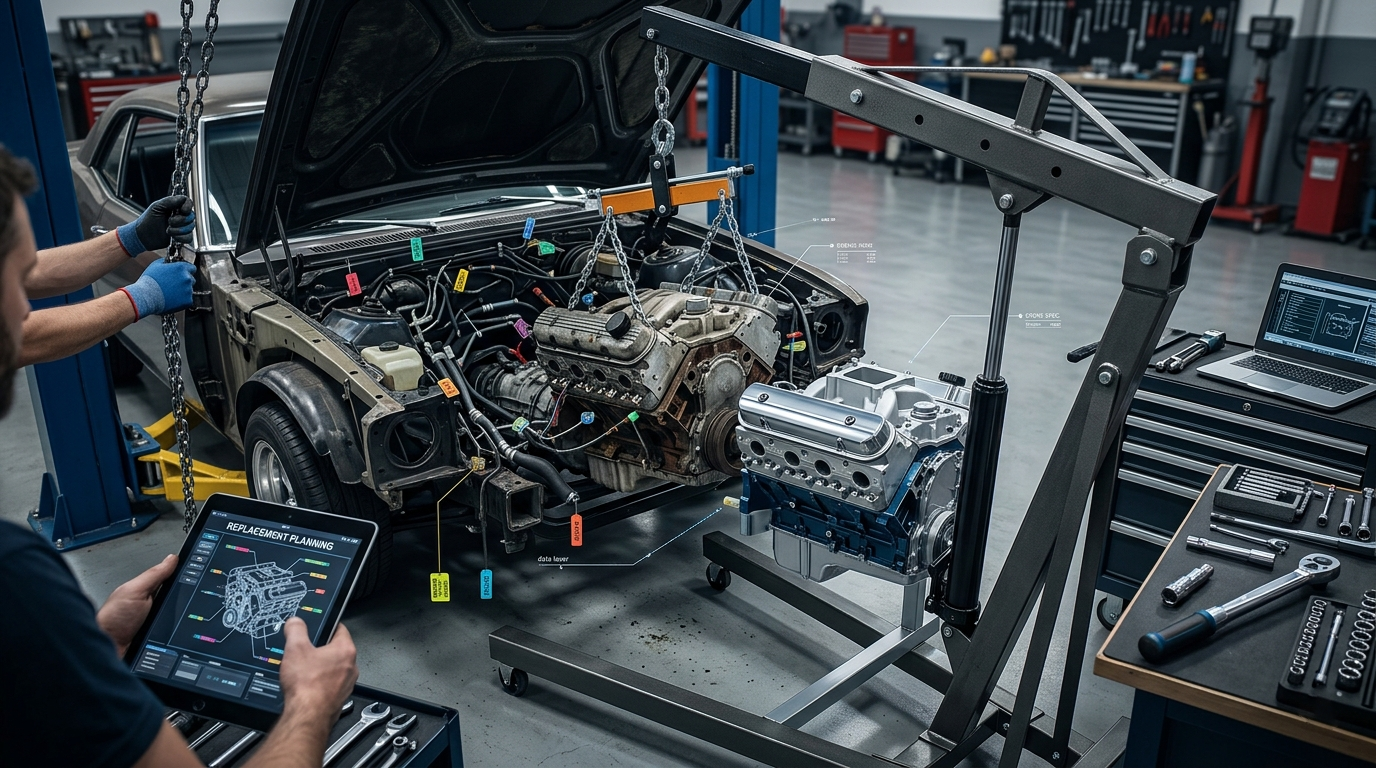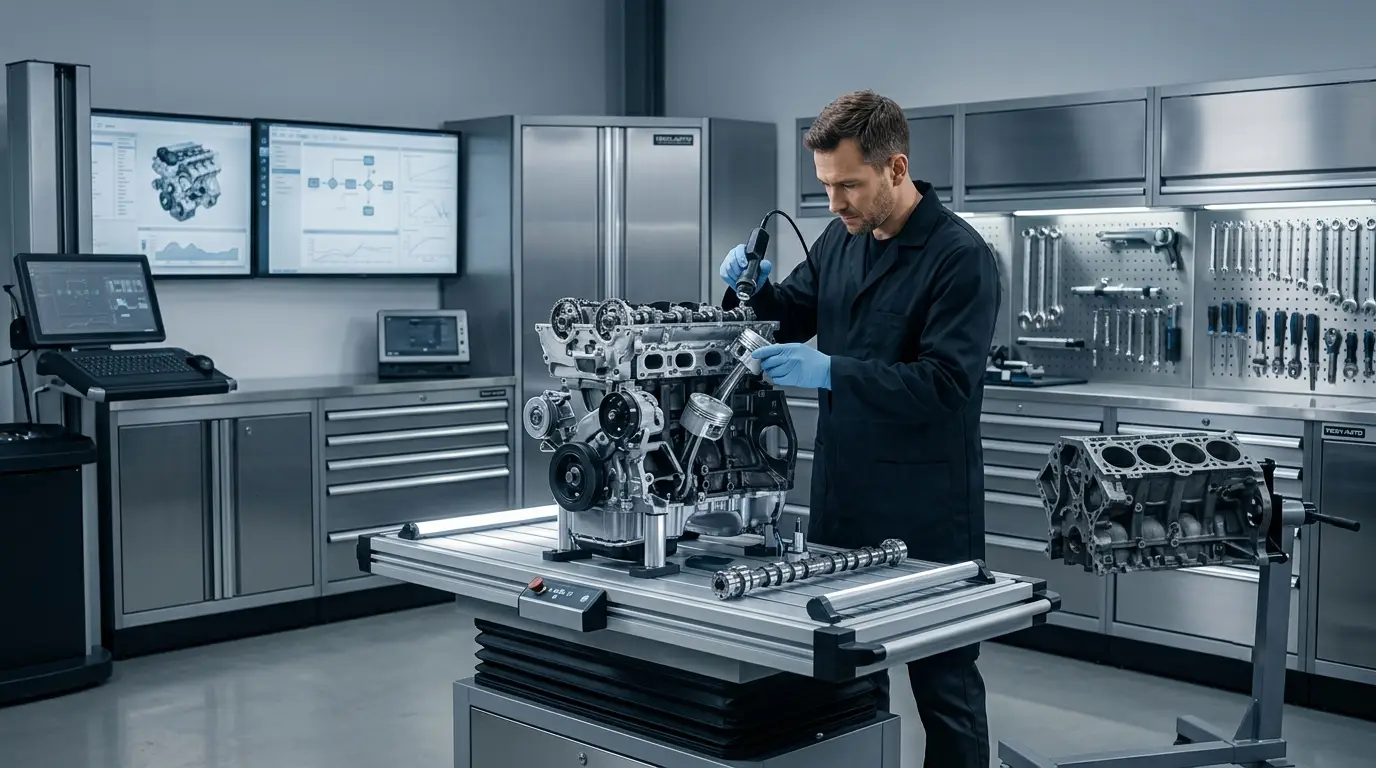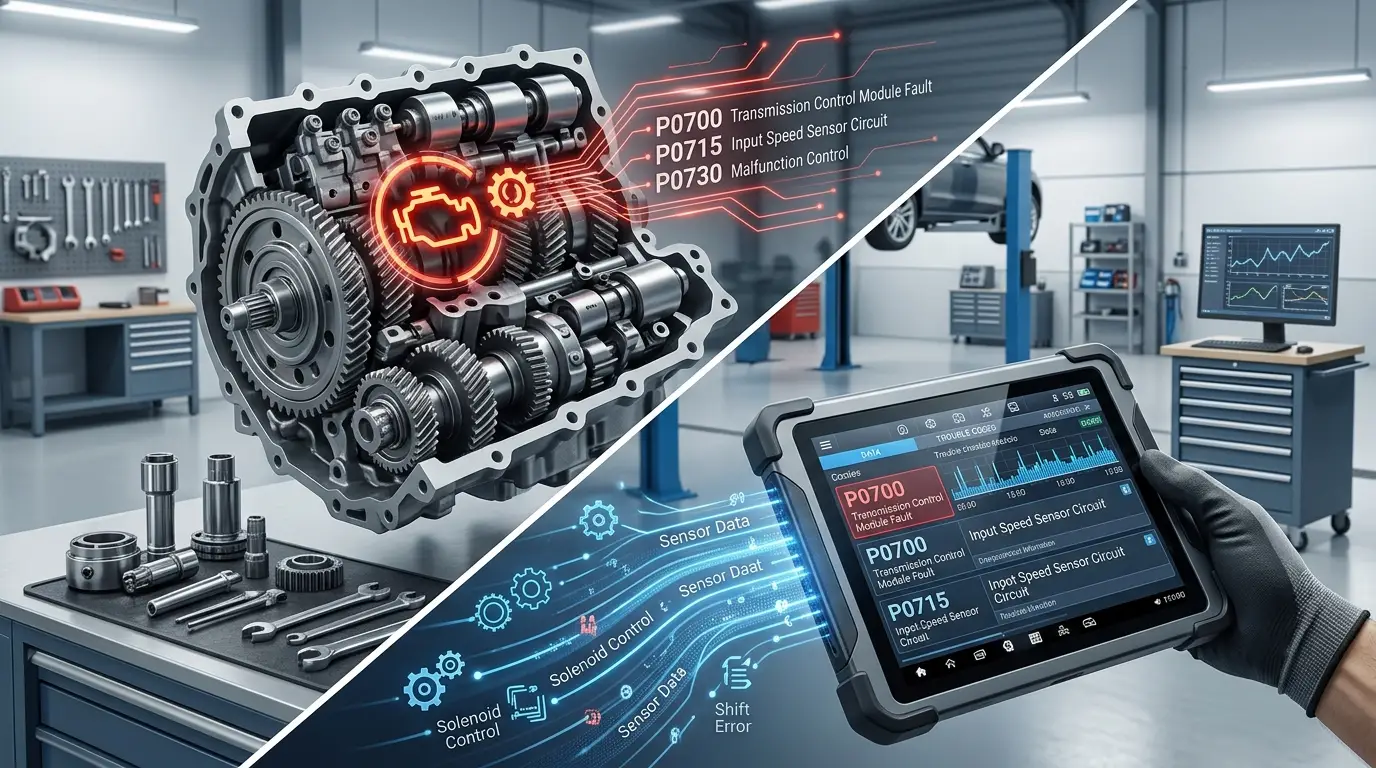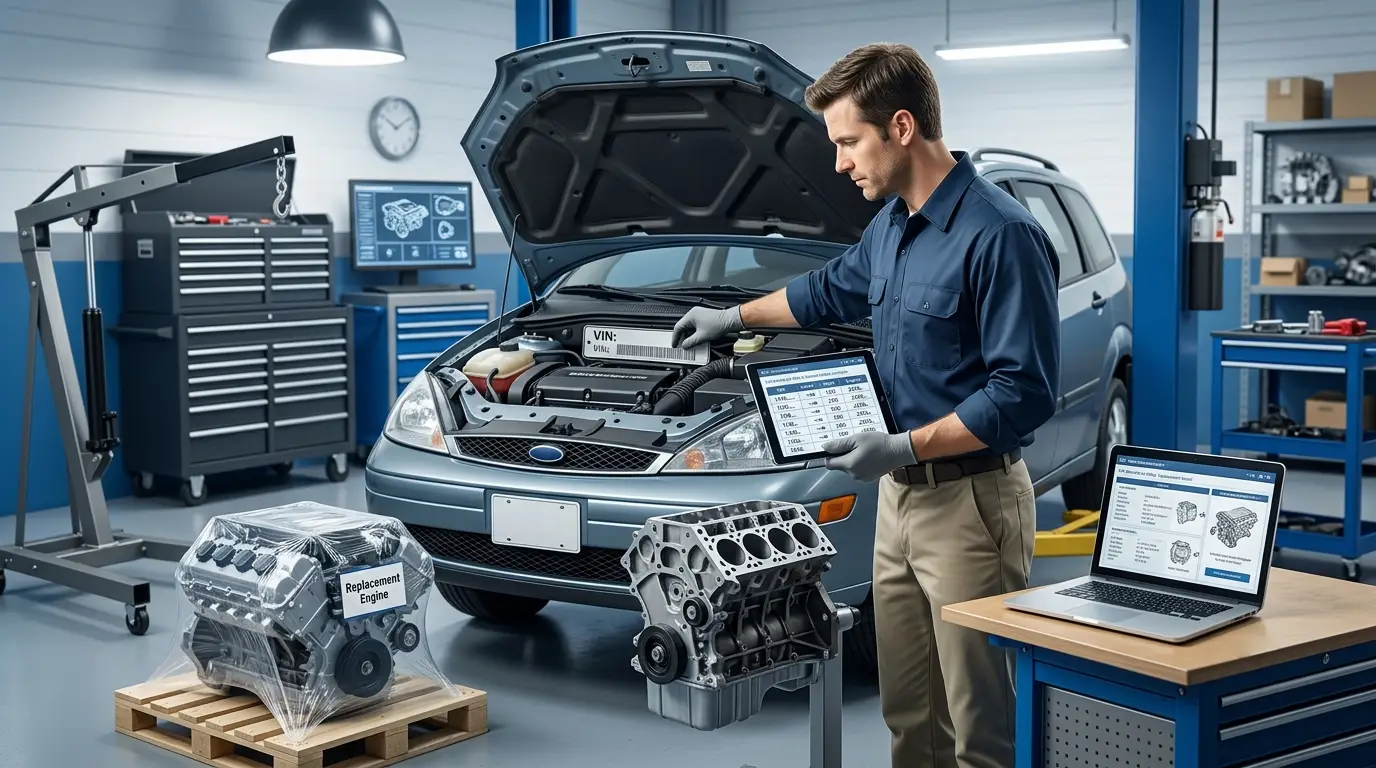


An engine is the heart of every vehicle. It powers movement, determines performance, and directly affects reliability. However, engines do not last forever. Over time, wear and tear, mechanical failures, accidents, or performance goals may lead vehicle owners to consider an engine replacement. In many cases, an engine swap can breathe new life into an aging vehicle, improve power output, or restore a car that would otherwise be unusable.
While an engine swap can be an exciting project, it is also one of the most complex modifications a vehicle owner can undertake. The process involves much more than simply removing one engine and installing another. Compatibility, wiring, legal requirements, costs, and long-term maintenance all play critical roles in determining the success of the project.
Before making a decision, it is important to understand the key factors involved. This guide covers everything you need to know before replacing your engine and explains the most important considerations to help you avoid costly mistakes.
Before replacing an engine, identify the primary reason behind the decision.
Some vehicle owners replace an engine because repairing the existing one is no longer financially practical. Others pursue an engine swap to increase horsepower, towing capability, or overall performance. Understanding your objective helps determine the most suitable engine and budget for the project.
For example, a restoration project may prioritize originality, while a performance enthusiast may focus on power gains and aftermarket support.
Compatibility is one of the most important aspects of a successful engine swap.
Not every engine will fit every vehicle. Even if an car engine physically fits into the engine bay, additional modifications may be required to support electronics, sensors, transmission connections, and cooling systems.
Many enthusiasts prefer "direct-fit" engine swaps because they require fewer modifications and reduce installation costs.
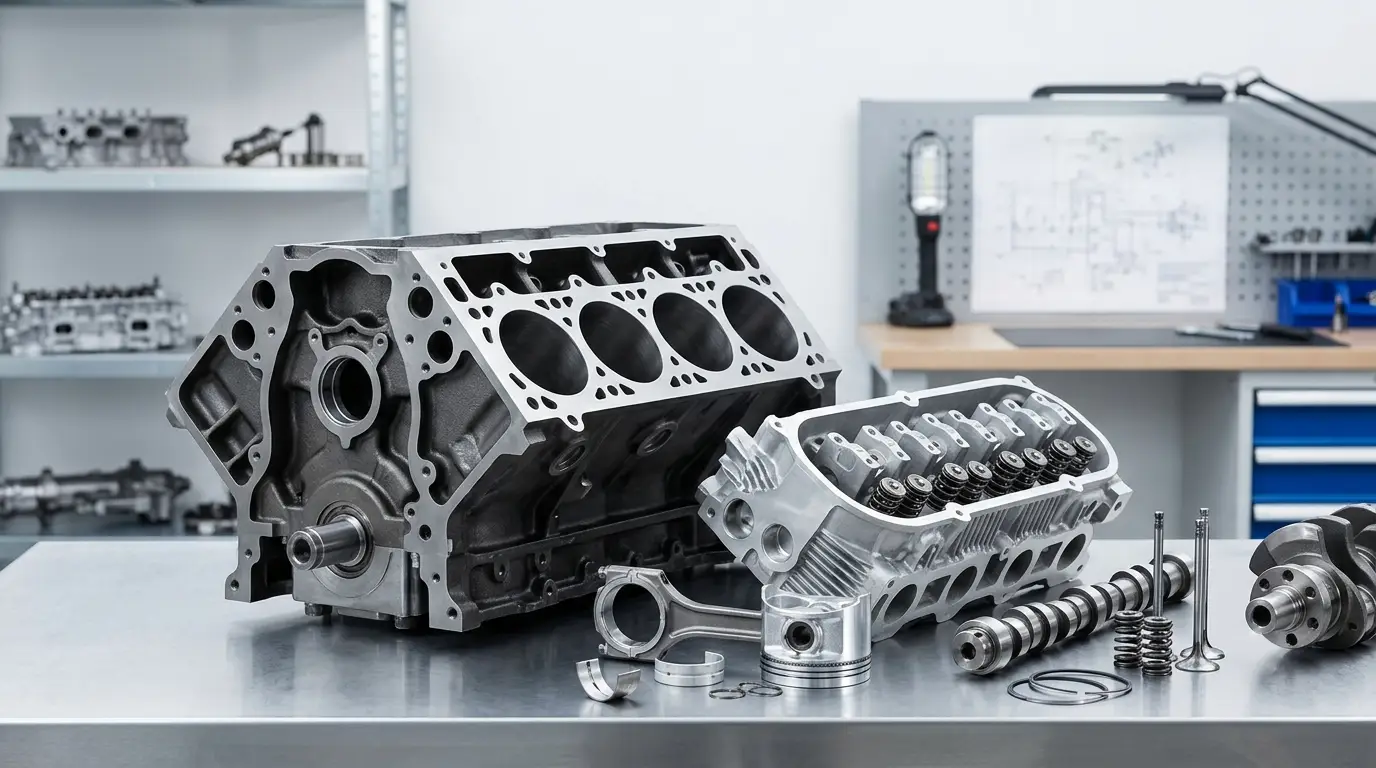
Replacement engines are available in several forms.
Each option offers unique advantages. A new engine provides peace of mind but may exceed the value of older vehicles. Remanufactured engines strike a balance between cost and reliability, while used engines are often selected for budget-conscious projects.
Carefully evaluate warranty coverage and service history before purchasing.
Many people underestimate the actual cost of an engine swap.
The engine itself is often only a portion of the total expense. Additional components and labor can significantly increase the final cost. Establishing a realistic budget beforehand helps prevent delays and unexpected financial strain.
Always include a contingency fund for unforeseen issues discovered during installation.
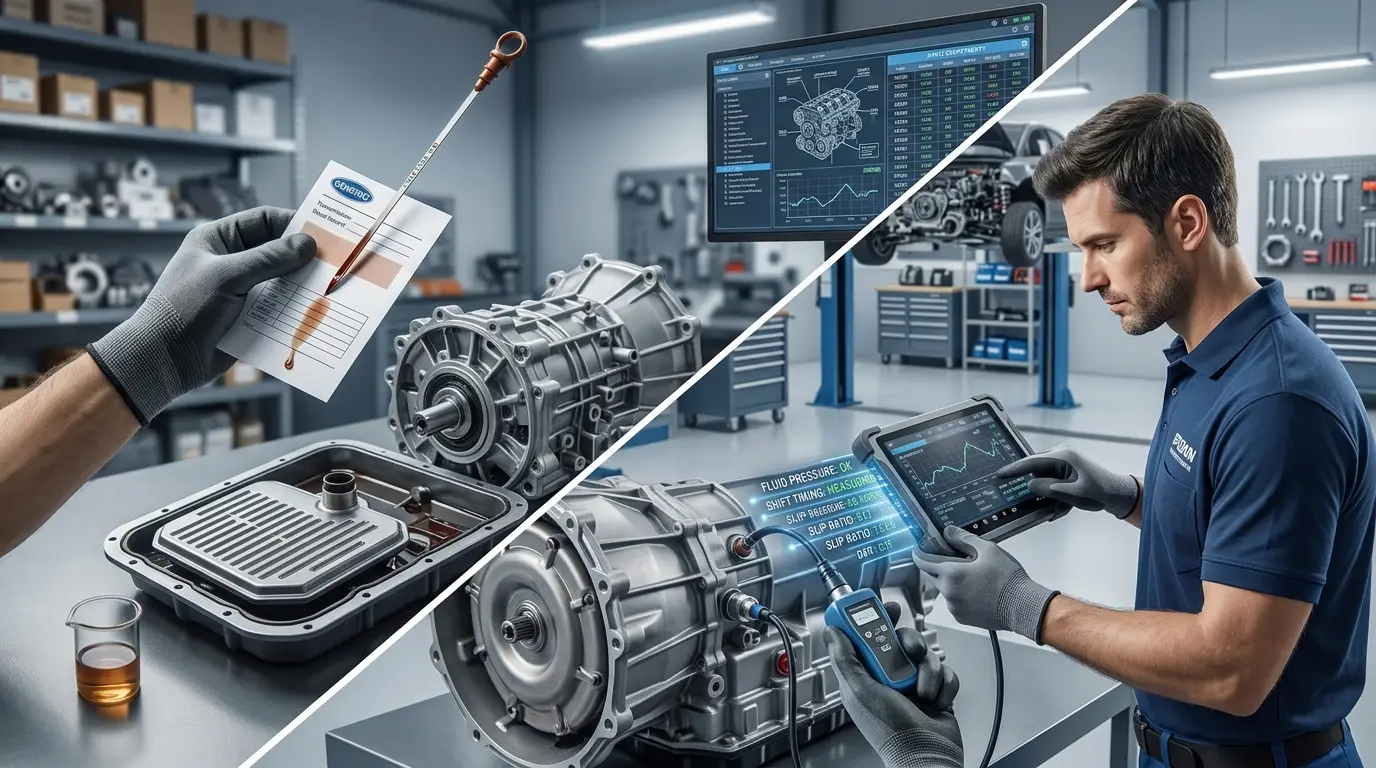
The engine and transmission must work together efficiently.
Installing a more powerful engine without upgrading the transmission can lead to premature drivetrain failure. In some cases, a transmission swap may be required to handle increased power output and ensure proper operation.
Matching both components improves performance and reliability.
Modern vehicles rely heavily on electronic systems.
Electrical integration is often the most challenging part of an engine swap. Even experienced mechanics may spend significant time modifying wiring harnesses and programming control modules.
Failure to properly integrate electronics can lead to poor performance, warning lights, or complete engine failure to start.
Every engine generates heat and requires proper cooling.
A larger or more powerful engine may produce more heat than the original cooling system can manage. Upgrading cooling components helps prevent overheating and protects the engine from long-term damage.
Ignoring cooling requirements can shorten engine life significantly.
Different engines have different fuel demands.
A performance engine often requires higher fuel flow rates than the factory setup can provide. Insufficient fuel delivery can cause power loss, poor efficiency, and engine damage.
Proper fuel system upgrades ensure optimal performance and reliability.
Engine swaps may be subject to local laws and regulations.
Some regions require swapped engines to meet emissions standards equal to or newer than the original vehicle. Failure to comply may result in registration issues or legal penalties.
Research local regulations before beginning the project to avoid complications later.
Many vehicle owners overlook insurance requirements.
An engine swap can alter the value and performance characteristics of a vehicle. Informing your insurance provider helps ensure proper coverage in case of an accident or theft.
Failure to disclose major modifications may affect future claims.
Maintenance should remain practical after the swap is complete.
An uncommon engine may deliver impressive performance but create maintenance challenges. Selecting an engine with strong aftermarket support often simplifies ownership and reduces future repair costs.
Availability of spare parts is especially important for daily-driven vehicles.
An engine swap requires extensive technical expertise.
Even the best engine can perform poorly if installed incorrectly. Choosing an experienced professional helps ensure proper fitment, tuning, and reliability.
Request examples of previous engine swap projects before committing to a workshop.
When properly planned and executed, an engine replacement can provide numerous advantages.
An engine swap can transform an aging vehicle into a dependable and enjoyable machine. Many enthusiasts use swaps to preserve classic vehicles while incorporating modern technology and performance.
Many engine swap projects encounter problems due to poor planning.
Proper planning minimizes delays and reduces the likelihood of expensive setbacks. Taking time to research every aspect of the project significantly improves the chances of success.
An engine swap can be one of the most rewarding upgrades a vehicle owner undertakes, but it is also among the most demanding. From selecting the right engine and ensuring compatibility to managing electronics, cooling systems, and legal requirements, every detail matters.
A well-executed engine replacement can restore reliability, increase performance, and extend the life of a vehicle for many years. However, success depends on careful planning, realistic budgeting, and professional installation. By understanding the factors outlined in this guide, you can make informed decisions and approach your engine swap project with confidence.
In some cases, yes. If the vehicle is otherwise in good condition, replacing the engine can be significantly less expensive than purchasing a new vehicle.
Most engine swaps take anywhere from several days to a few weeks, depending on vehicle complexity, parts availability, and required modifications.
Technically many swaps are possible, but compatibility challenges involving mounts, electronics, transmission systems, and legal regulations often limit practical options.
Yes. Major modifications should be disclosed to your insurer to ensure proper coverage and avoid claim complications.
Planning and compatibility are the most critical factors. Choosing the right engine and ensuring all supporting systems work together greatly improves reliability and performance.