An engine is arguably the most expensive single component in your car, and when it fails before its time, the repair bill can rival the cost of a used vehicle. Yet premature engine failure is rarely a mystery - in the vast majority of cases, it traces back to a handful of preventable causes. Understanding what actually kills engines early gives you the power to avoid the most common pitfalls and keep your vehicle running for the long haul.
Below, we'll walk through the leading causes of early engine failure, explain why each one does so much damage, and outline what you can do to prevent them.
1. Neglected Oil Changes
- What happens: Oil lubricates every moving metal surface inside your engine. Over time, it breaks down, picks up contaminants, and loses its ability to protect components from friction.
- Why it's damaging: Without clean oil, metal parts grind against each other, generating excess heat and wearing down bearings, pistons, and cylinder walls. This kind of wear is gradual but irreversible.
- How to prevent it: Follow your manufacturer's recommended oil change interval, typically every 5,000 to 7,500 miles for conventional oil or up to 10,000–15,000 miles for full synthetic. Always use the oil viscosity grade specified in your owner's manual.
Explanation: Think of engine oil as the bloodstream of your vehicle. Just as reduced blood flow starves organs of oxygen, degraded oil starves engine components of the lubrication they need to function without self-destructing. Skipping changes doesn't just risk a noisy engine - it accelerates wear on parts that are extremely expensive to replace.
2. Overheating
- What happens: Car Engines are designed to operate within a specific temperature range. When cooling systems fail - due to a broken thermostat, low coolant, a failing water pump, or a clogged radiator - temperatures can spike rapidly.
- Why it's damaging: Excessive heat causes metal components to expand unevenly, which can warp cylinder heads, blow head gaskets, and even crack the engine block in severe cases.
- How to prevent it: Check coolant levels regularly, watch your temperature gauge while driving, and address any warning lights immediately. Have your cooling system inspected during routine maintenance, including hoses, the radiator cap, and the water pump.
Explanation: An overheating engine is often described by mechanics as a "silent emergency" - by the time the temperature gauge climbs into the red zone, damage may already be underway. Pulling over immediately at the first sign of overheating, rather than trying to "make it home," is one of the simplest ways to prevent catastrophic damage.
3. Contaminated or Low-Quality Fuel
- What happens: Fuel contaminated with water, dirt, or improper additives can interfere with combustion and damage internal components like fuel injectors and cylinders.
- Why it's damaging: Poor combustion leads to carbon buildup, reduced efficiency, and in severe cases, detonation issues that put extra mechanical stress on pistons and valves.
- How to prevent it: Buy fuel from reputable, high-traffic stations where turnover is high and contamination risk is lower. Consider using a fuel system cleaner periodically, and avoid running your tank consistently low, which can allow sediment to be drawn into the fuel line.
Explanation: Fuel quality issues are less visible than oil or coolant problems, which is exactly why they're often overlooked. Over months or years, consistently poor fuel can quietly degrade injectors and combustion efficiency, setting the stage for bigger problems down the road.
4. Ignoring Warning Lights and Unusual Noises
- What happens: Modern vehicles are equipped with sensors designed to catch problems early - check engine lights, oil pressure warnings, and temperature alerts all exist for a reason.
- Why it's damaging: Drivers who ignore these signals, or dismiss knocking, ticking, or grinding noises as "normal," often allow minor issues to escalate into major mechanical failures.
- How to prevent it: Treat every warning light as a signal to schedule a diagnostic check promptly. Pay attention to changes in engine sound, vibration, or performance, and address them before they worsen.
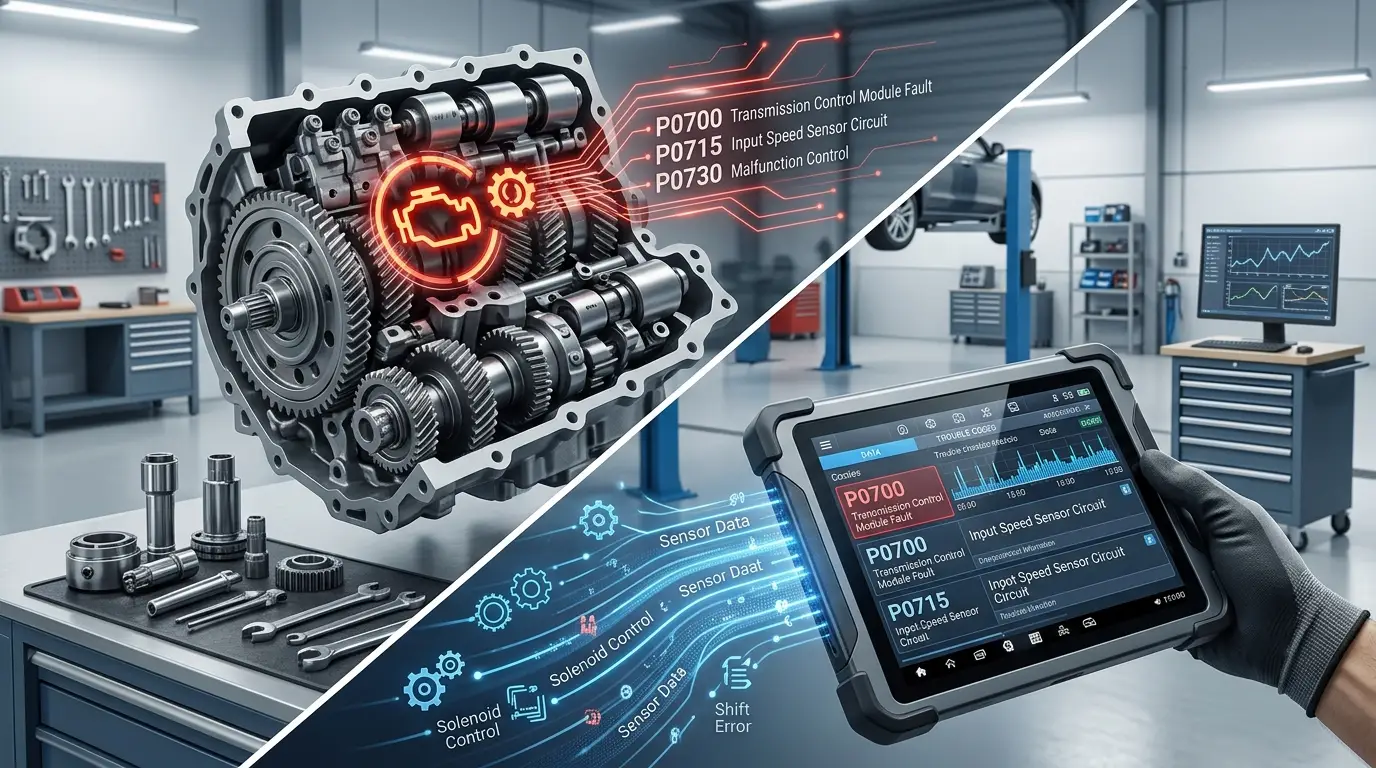
Explanation: A check engine light doesn't always mean imminent disaster, but it does mean something has changed. Diagnosing the issue early - whether it's a faulty sensor or a genuine mechanical fault - is almost always cheaper and less disruptive than waiting until the engine forces the issue by breaking down.
5. Using the Wrong Oil or Fluids
- What happens: Every engine is engineered for specific fluid specifications - oil viscosity, coolant type, and even transmission fluid formulations vary between makes and models.
- Why it's damaging: Using the wrong viscosity oil can result in inadequate lubrication at certain temperatures, while incompatible coolant can cause corrosion or reduced heat transfer efficiency.
- How to prevent it: Always consult your owner's manual before topping off or changing fluids, and communicate your exact vehicle model to your mechanic or parts supplier to avoid substitutions.
Explanation: It's tempting to assume "oil is oil," but modern engines - especially those with turbochargers or tight tolerances - are calibrated for specific fluid properties. A mismatch might not cause immediate failure, but it can meaningfully shorten the engine's operational lifespan over time.
6. Driving Habits That Add Unnecessary Stress
- What happens: Aggressive acceleration, frequent short trips that never let the engine reach optimal operating temperature, and towing beyond the vehicle's rated capacity all place extra strain on internal components.
- Why it's damaging: Repeated stress accelerates wear on pistons, bearings, and seals, and can contribute to issues like excessive carbon buildup from incomplete combustion cycles during short trips.
- How to prevent it: Allow your engine to warm up gradually before demanding high performance, avoid unnecessary towing loads, and incorporate occasional longer drives if your routine consists mostly of short trips.
Explanation: Engines are built to handle stress, but chronic overexertion - much like repetitive strain on any mechanical system - shortens their functional life. Small adjustments to driving habits can meaningfully extend how long an engine performs at its best.
7. Skipping Regular Maintenance and Inspections
- What happens: Timing belts, serpentine belts, spark plugs, and filters all have service intervals. Skipping these recommended replacements increases the risk of related component failure.
- Why it's damaging: A snapped timing belt, for example, can cause pistons to collide with valves in interference engines, resulting in catastrophic and often unrepairable damage.
- How to prevent it: Keep a maintenance log and follow your manufacturer's service schedule closely, particularly for components with specific mileage-based replacement intervals.
Explanation: Routine maintenance can feel like an unnecessary expense when everything seems to be running fine - but many of the most severe engine failures stem from a single overlooked component that was due for replacement. Staying proactive is significantly cheaper than reactive repair.
Conclusion
Premature engine failure is rarely caused by bad luck - it's almost always the result of accumulated neglect, whether that's skipped oil changes, ignored warning signs, or driving habits that place unnecessary strain on internal components. The good news is that every cause listed above is preventable with consistent attention and basic maintenance discipline. By staying proactive rather than reactive, you can significantly extend your engine's lifespan and avoid one of the most expensive repairs a vehicle owner can face.
FAQs
Q. How often should I really change my oil to prevent engine damage?
Most manufacturers recommend every 5,000–7,500 miles for conventional oil and 10,000–15,000 miles for full synthetic, but always defer to your specific owners manual, since intervals vary by engine design and driving conditions.
Q. Can a single instance of overheating destroy an engine?
Yes, in severe cases. Even a brief but extreme overheating event can warp a cylinder head or blow a head gasket, so its important to stop driving immediately if the temperature gauge spikes.
Q. Is it bad to ignore the check engine light if the car seems to be running fine?
Yes. A check engine light can indicate anything from a minor sensor issue to a serious mechanical fault. Since visible symptoms do not always match the severity of the underlying problem, a diagnostic check is the only reliable way to know.
Q. Do short trips really damage an engine over time?
Frequent short trips prevent the engine from reaching full operating temperature, which can lead to incomplete combustion and carbon buildup. Occasional longer drives help offset this effect.
Q. What is the most common cause of premature engine failure overall?
Neglected oil changes are widely considered the single most common cause, since insufficient lubrication accelerates wear on nearly every internal component simultaneously.