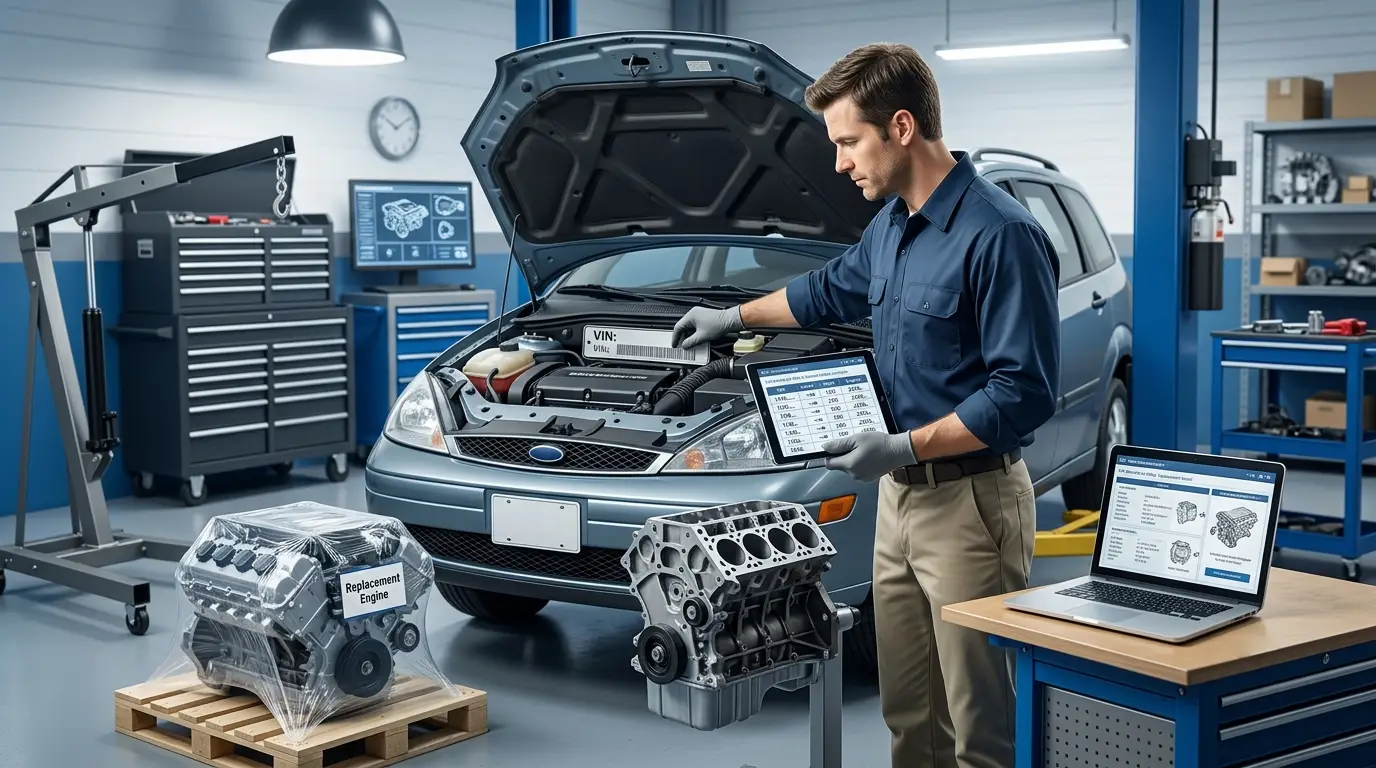
Your engine and transmission are the heart and backbone of your vehicle. Together, they generate power, transfer it to the wheels, and keep you moving smoothly down the road. When they’re healthy, driving feels effortless. When they’re neglected, repairs can be painfully expensive.
Here’s the good news: most car engine and transmission failures are preventable. With proper maintenance, these critical components can last hundreds of thousands of miles. Skip maintenance, and even a newer vehicle can fail far too early.
Let’s explore how smart, consistent care can dramatically extend the life of your engine and transmission - and save you thousands of dollars along the way.
Engines and transmissions operate under extreme conditions. High temperatures, friction, pressure, and constant motion wear components down over time. Maintenance isn’t about perfection - it’s about controlling wear before it turns into damage.
When maintenance is ignored:
A) Oil breaks down and loses protection
B) Heat builds up
C) Metal parts grind against each other
D) Seals dry out and leak
E) Internal damage accelerates
Proper maintenance slows this process and keeps everything working as designed.
Engine oil does far more than just lubricate parts. It:
A) Reduces friction
B) Cools internal components
C) Prevents corrosion
D) Traps dirt and debris
Over time, oil degrades and becomes contaminated. Old oil turns from a protector into a problem.
Skipping oil changes allows sludge to build up, restricting oil flow and starving vital components. This is one of the fastest ways to destroy an engine.
Following the manufacturer’s oil change intervals - and using the correct oil type - can add years to your engine’s life.
Oil filters trap harmful particles before they circulate through your engine. A clogged or cheap filter can:
A) Reduce oil pressure
B) Allow contaminants to pass
C) Accelerate wear
Changing the filter with every oil change is a small step with massive benefits.
Heat is the enemy of engines and transmissions.
Your cooling system - including coolant, radiator, hoses, and thermostat - keeps temperatures under control. When it fails, overheating can warp engine components, damage seals, and even cause complete engine failure.
Coolant doesn’t last forever. Over time, it loses its corrosion protection and heat transfer ability. Flushing and replacing coolant at recommended intervals prevents:
A) Overheating
B) Internal corrosion
C) Head gasket failure
A healthy cooling system is one of the best investments in engine longevity.
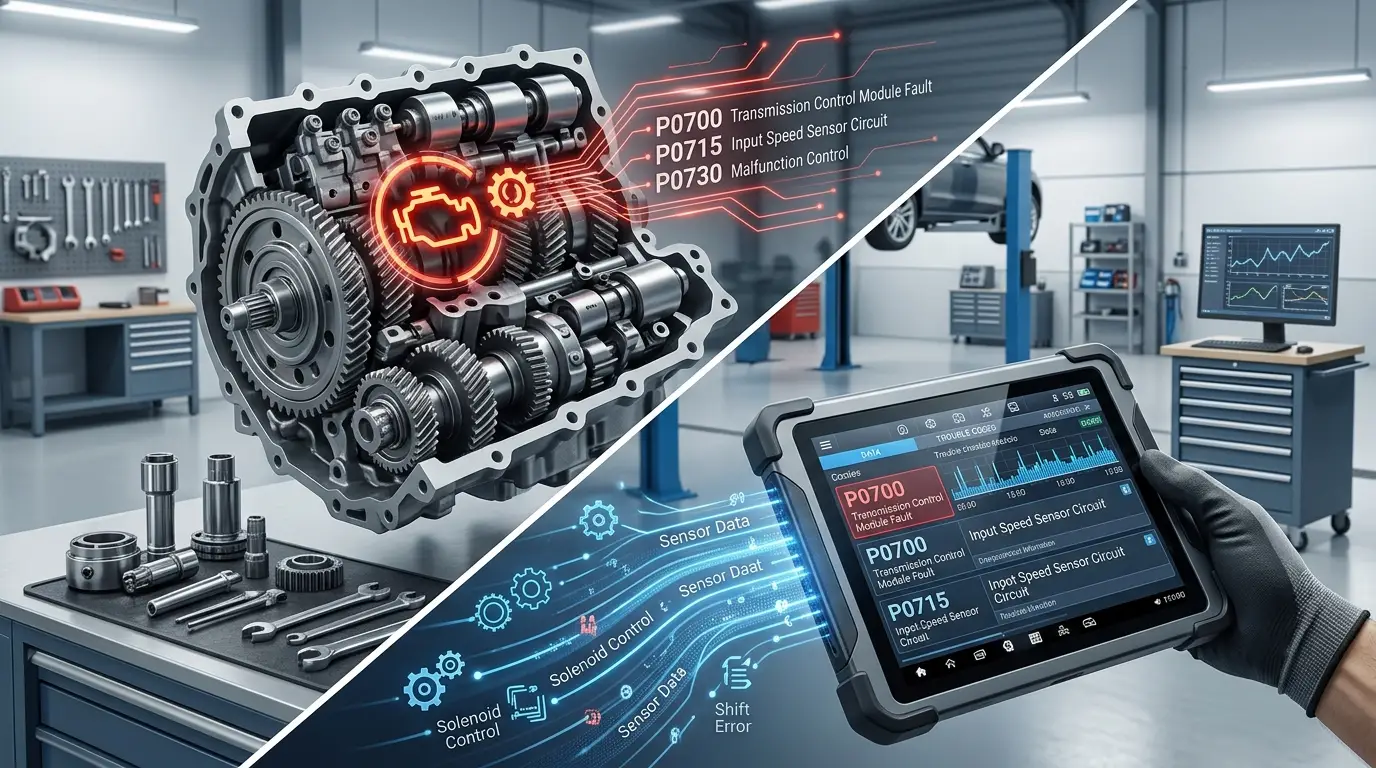
Transmission fluid lubricates, cools, and enables smooth gear changes. Just like engine oil, it degrades over time.
A) Delayed or rough shifting
B) Slipping gears
C) Overheating
D) Internal clutch damage
Transmission repairs are among the most expensive vehicle repairs - often costing more than the car’s value. Regular fluid service can prevent most of them.
Automatic transmissions are more complex and sensitive to fluid condition. Many modern vehicles claim “lifetime fluid,” but in reality, fluid still degrades.
Periodic fluid changes:
A) Extend clutch life
B) Prevent valve body issues
C) Reduce heat damage
Manual transmissions are generally more durable but still need fluid changes to:
A) Protect gears and synchronizers
B) Reduce grinding and wear
Maintenance is cheaper than replacement - every time.
Engines need clean air to operate efficiently. A dirty air filter restricts airflow, causing:
A) Reduced fuel efficiency
B) Increased engine strain
C) Carbon buildup
Replacing the air filter regularly helps your engine breathe easily and run cleaner.
Fuel injectors, pumps, and valves work best when fuel flows cleanly and consistently.
Poor fuel quality or neglected maintenance can lead to:
A) Clogged injectors
B) Rough idling
C) Poor acceleration
D) Increased engine wear
Periodic fuel system cleaning and using quality fuel help prevent these issues.
Worn spark plugs cause incomplete combustion, which leads to:
A) Misfires
B) Poor fuel economy
C) Increased engine stress
Replacing spark plugs on schedule ensures smooth combustion and protects internal engine components from unnecessary strain.
Maintenance isn’t just about parts - it’s also about how you drive.
Bad habits that shorten engine and transmission life include:
A) Aggressive acceleration
B) Hard braking
C) Towing beyond capacity
D) Ignoring warm-up periods
E) Riding the clutch (manual transmissions)
Smooth, consistent driving significantly reduces mechanical stress.
Modern engines don’t need long warm-ups, but they do benefit from gentle driving during the first few minutes.
Cold oil doesn’t lubricate as effectively. Giving your engine time to reach operating temperature reduces wear.
Similarly, allowing turbocharged engines to cool briefly before shutting off prevents oil breakdown and bearing damage.
Leaks are your vehicle’s way of asking for help.
Ignoring leaks can result in:
A) Low oil levels
B) Transmission failure
C) Overheating
D) Seal damage
Fixing a small leak early is far cheaper than repairing the damage it causes later.
Rubber components degrade over time due to heat and age.
Failing belts or hoses can cause:
A) Sudden overheating
B) Loss of oil pressure
C) Engine shutdown
Replacing these parts proactively prevents chain-reaction failures that destroy engines.
Modern vehicles rely on software to manage engine and transmission behavior.
Software updates can:
A) Improve shifting performance
B) Reduce engine strain
C) Fix known issues
Staying current with updates is part of modern vehicle maintenance.
Keeping detailed maintenance records:
A) Helps track service intervals
B) Increases resale value
C) Proves proper care for warranties
A well-documented vehicle is more reliable and more valuable.
Skipping maintenance doesn’t save money - it delays the bill and increases it.
Common consequences include:
A) Sludge buildup
B) Transmission clutch failure
C) Overheating damage
D) Complete engine failure
Preventive maintenance costs hundreds. Repairs cost thousands.
With consistent maintenance:
A) Car Engines can last 200,000–300,000 miles or more
B) Transmissions can last the life of the vehicle
The difference between failure at 120,000 miles and success at 300,000 miles often comes down to maintenance.
Watch for:
A) Warning lights
B) Rough shifting
C) Burning smells
D) Unusual noises
E) Fluid discoloration
Addressing issues early prevents permanent damage.
You don’t need to be a mechanic to protect your vehicle.
A simple routine includes:
A) Regular oil and filter changes
B) Fluid checks monthly
C) Scheduled transmission service
D) Prompt leak repairs
E) Periodic inspections
Consistency matters more than complexity.
Proper maintenance:
A) Reduces repair frequency
B) Improves fuel efficiency
C) Extends vehicle lifespan
D) Protects resale value
Over time, it’s one of the best financial decisions a vehicle owner can make.
Your engine and transmission don’t fail overnight - they wear down over time. Proper maintenance slows that wear, protects critical components, and keeps your vehicle reliable for years longer than neglect ever could.
If you want fewer breakdowns, lower repair bills, and a vehicle that lasts, maintenance isn’t optional - it’s essential.
Follow your manufacturers recommendation, typically every 5,000–7,500 miles for most modern vehicles.
Yes. Even “lifetime” fluids degrade and benefit from periodic replacement.
In many cases, yes. Most failures result from neglect rather than defects.
Maintenance is critical at all ages but becomes even more important as vehicles accumulate mileage.
Regular oil changes combined with timely fluid inspections offer the biggest protection.